
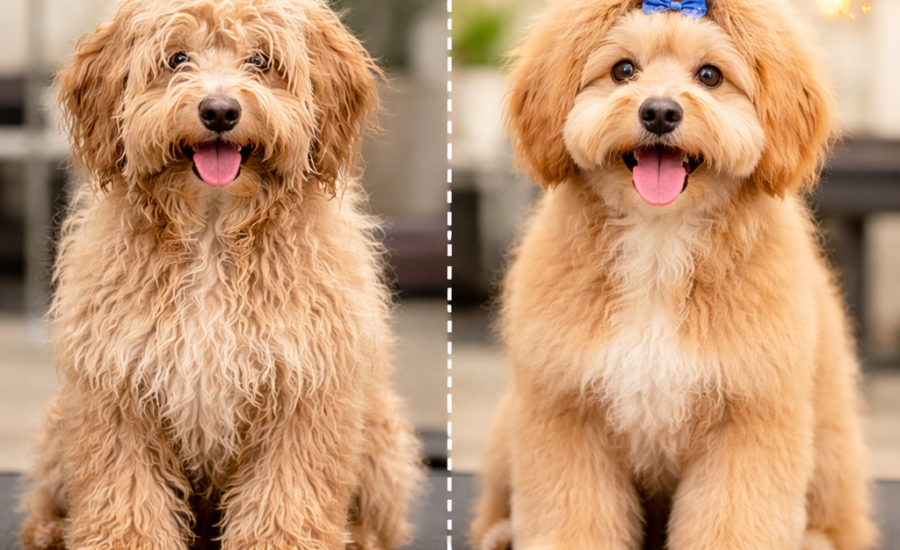
Dog mini grooming” typically refers to a brief or less comprehensive grooming session for a dog. Grooming involves various tasks aimed at maintaining a dog’s cleanliness, appearance, and overall health. This can include brushing, bathing, nail trimming, ear cleaning, and more.
A “mini grooming” session might involve a subset of these tasks and is often focused on tidying up a dog’s appearance between full grooming sessions. Here are some tasks that might be included in a dog mini grooming:
- Brushing: Removing loose fur and preventing matting can be important for a dog’s comfort and coat health.
- Bathing: Giving the dog a complete bath using appropriate dog shampoo and conditioner to clean the coat and skin.
- Face and Paw Trimming: Trimming excess fur around the face and paws to keep them clean and prevent matting.
- Nail Trimming: Keeping a dog’s nails at an appropriate length to avoid discomfort and potential health issues.
- Ear Cleaning: Gently cleaning the ears to prevent ear infections and remove excess wax.
- Hygiene Trimming: Trimming the hair around sensitive areas like the groin and anus to maintain cleanliness.
- Sanitary Area Cleaning: Ensuring the dog’s genital and anal areas are clean and free of matting.
- Scented Spritz: Applying a light dog-safe scented spritz to keep the dog smelling fresh.
A mini grooming session is particularly useful for dogs that require regular grooming but might not need a full grooming session every time. It can help maintain the dog’s appearance and comfort without the time and effort involved in a complete grooming.
It’s important to note that the specific tasks included in a mini grooming session can vary based on the dog’s breed, coat type, and individual needs. Additionally, professional groomers might have their own definitions of what constitutes a “mini grooming” session.
**Georgia Department of Agriculture Standards for Pet Care Facilities**
*(Kennel, Boarding, Grooming with Overnight Care – Regulated under the Georgia Animal Protection Act & Rule 40-13-13)*
Licensed facilities must provide a **hygienic, safe, and humane environment** for dogs, cats, and other companion animals kept for compensation (boarding, training, breeding, etc.). Key minimum standards include:
**Primary Enclosures & Space Requirements**
– Sufficient room for each animal to turn freely, stand, sit, lie down comfortably, and stretch without touching sides, other animals, or waste.
– Interior height: at least 6 inches (15 cm) above the head of the tallest animal in normal standing position.
– Solid, moisture-impervious, cleanable floors (no grated/mesh bottoms for dogs/cats except temporary use).
– Strong construction to prevent escape, injury, or unauthorized entry.
**Hygiene & Sanitation**
– Daily cleaning and removal of excreta, soiled bedding, and waste to prevent disease and odors.
– Regular disinfection using approved methods (detergents, disinfectants, hot water ≥145°F / 63°C).
– Effective drainage to eliminate standing water; pest control program to manage vermin, insects, and parasites.
– Clean, dry bedding replaced as needed; food and supplies stored to avoid contamination.
**Ventilation & Temperature Control**
– Adequate fresh air circulation (natural or mechanical) to minimize drafts, odors, moisture, and condensation.
– Indoor ambient temperature maintained between 45°F (7°C) and 85°F (29°C) for non-acclimated animals (with exceptions).
– Outdoor access: shade, weather protection, dry shelter during rain/snow, wind barriers, and sufficient bedding.
**Safety & Humane Care**
– Secure separation of aggressive/vicious animals (housed individually) and isolation of sick/infectious animals.
– Compatible grouping only; no permanent tethering (>24 hours prohibited).
– Facilities in good repair, well-lit, with fire safety equipment and emergency evacuation plans.
– No release of injured or diseased animals without full disclosure.
**Additional Obligations**
– Maintain accurate records (animal intake/output, owner info, health/vaccination status) for at least 12 months.
– Annual license renewal required; facilities subject to unannounced inspections by GDA.
– Compliance with local zoning/ordinances (e.g., in Atlanta/Fulton County) is also mandatory.
For full details and current rules:
– Visit: [agr.georgia.gov/kennel-licenses](https://agr.georgia.gov/kennel-licenses)
– Rules: [Georgia Administrative Code 40-13-13](https://rules.sos.ga.gov/gac/40-13-13)
– License search & complaints: Georgia Department of Agriculture Companion Animals Program
*These standards aim to ensure animal welfare, public health, and professional operations in Georgia pet care facilities (updated as of 2026). Always verify directly with GDA for the latest requirements.*